What changes with AI?
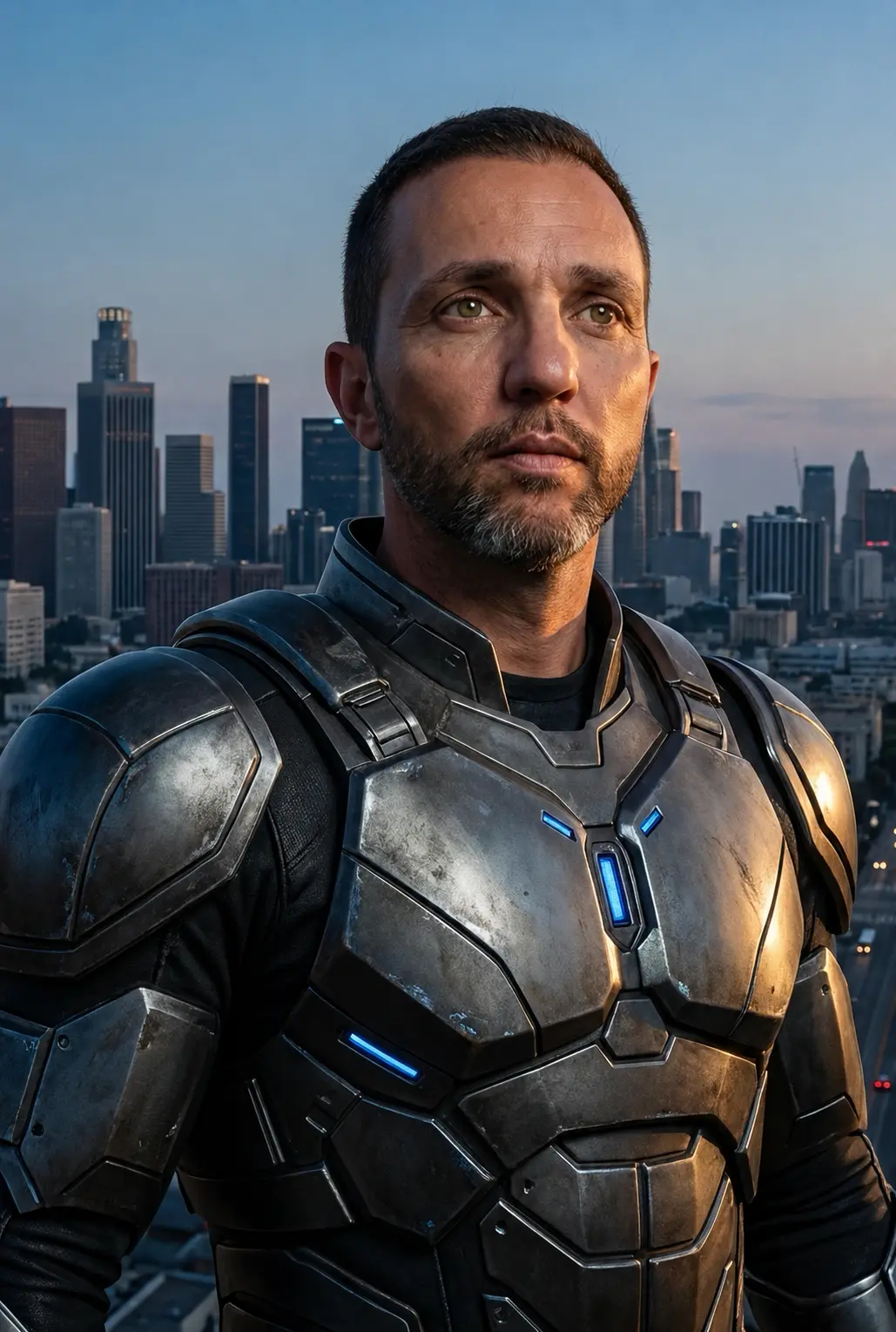
The photograph is the starting point. An AI portrait experience transforms the guest's image into another style, era, character or scene. The result might resemble a cinematic portrait, cover image, artwork or a completely reimagined version of the person. It adds a creative layer beyond conventional photography, with a visual concept prepared for the event.
Recognising yourself in another world
The appeal is not simply having a filter placed over a picture. Guests recognise themselves within a different setting or aesthetic, and that reveal becomes part of the entertainment. They want to compare results with friends or see how another pose might work. The transformation should support recognition rather than make the person disappear into a generic image.
What can be created?
The possibilities depend on the concept agreed for the event. Characters, backgrounds, artistic styles, settings and face-swap techniques can form a coherent visual series. A themed party can stay within one world, while a company can build results around a campaign. Defining the idea beforehand helps the output feel connected rather than like a collection of unrelated effects.
For weddings and private parties
An AI experience can suit a couple looking for something less traditional, a themed birthday or a private celebration with a strong visual idea. It lets guests appear in scenes that would be impractical to construct separately for every person. The important question is what kind of transformation would be enjoyable and meaningful for the people attending.
For corporate events
AI can turn a campaign concept into an individual experience. Instead of receiving the same creative piece, each attendee becomes part of their own version of the brand world. That approach can work at launches, trade shows, conferences, activations and internal events. The creative direction should reflect the purpose of the campaign and the way the final portraits will be used.
Visual identity still matters
Asking for something with AI is not a complete creative brief. Establishing the aesthetic, tone, references and intended use makes the experience stronger. A consistent direction helps the output belong to the event instead of looking like an isolated technology demonstration. Framing and a recognisable connection to the guest are important parts of that preparation.
Does it replace a traditional photobooth?
Not necessarily. A conventional photobooth may be the better fit if your priority is classic photography, printed keepsakes and an album. AI makes sense when the aim is visual transformation and a result that a normal camera would not create on its own. These are different experiences, so the choice should follow the memory or content you want rather than the newest technology.
Keep the experience enjoyable
Technology powers the process, but enjoyment is the point. The interaction needs to be straightforward and the reveal interesting enough to make people want to participate. Concepts can be tailored to an event or brand, and the service is not limited to companies: weddings, birthdays and private parties can use it too. The precise result depends on the chosen concept. Tell us the world you have in mind and we can discuss how to bring guests into it.