From a background to an experience
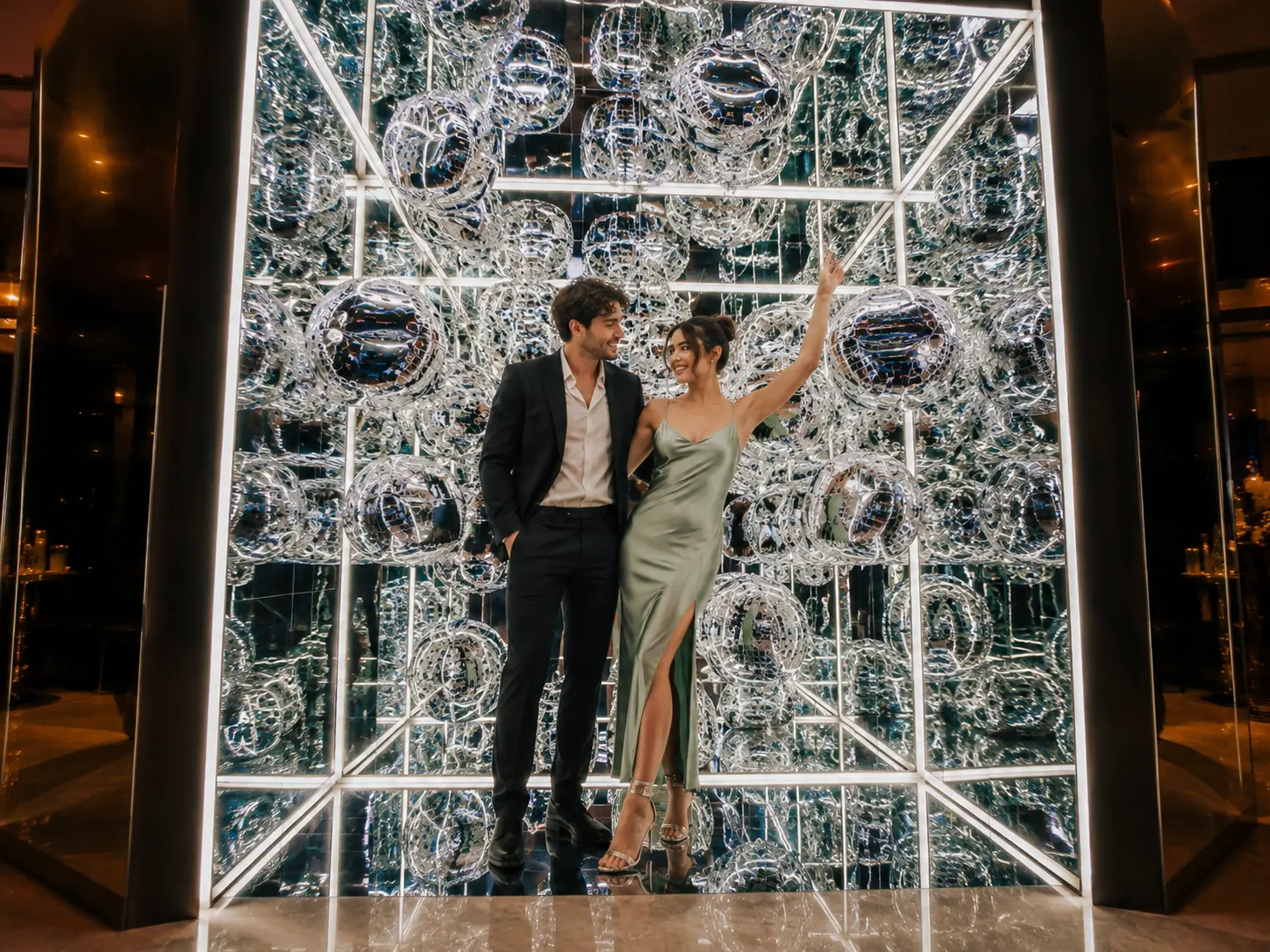
The Mirror Room begins with a simple change: guests step inside the scene instead of standing in front of it. Mirrors multiply the sense of depth, LED lighting transforms the atmosphere, and neon or decoration completes the setting. The result works both as an installation within the event and as a place to create photographs and short videos.
Why guests are drawn to it
It has a presence even when nobody is using it. From outside, guests notice the light, reflections and movement of the people inside. That curiosity encourages participation: one person enters, others watch, and then they want to try it themselves. Its appeal is not dependent on a long explanation or someone repeatedly directing people towards it.
What can be personalised?
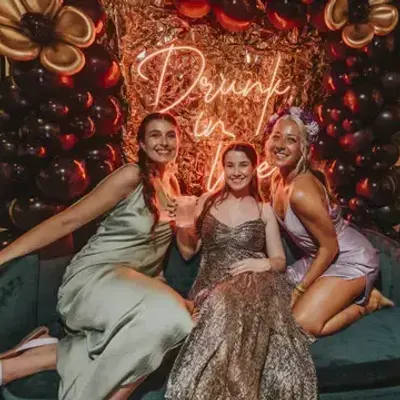
Neon, balloons, ORBZ, lighting and other scenic elements can adapt the room to the event. For a wedding, the aim is to connect with the celebration's aesthetic. For a brand activation, colours, messages and visual references can take the installation further into the campaign concept. The details should support the reflections and atmosphere rather than overwhelm the space.
Why it works for brands
Simply putting a logo behind someone is not always enough. An interesting activation encourages people to interact with the brand through an experience they enjoy. The Mirror Room turns an identity into a place guests enter, photograph and record. Their content is visually connected to the event because the setting itself carries the idea, rather than relying solely on a logo overlay.
Image, interaction and content
These are three useful ways to think about the installation. It has its own visual impact, invites people to enter and stay, and gives them a reason to photograph or film the moment. In festival concepts, that relationship matters: the space should do more than look impressive. It should encourage an action and become part of what attendees experience.
Launches, openings and pop-ups
At an opening or product launch, the room can be a welcome point or a stop along the event journey. Combining it with a photobooth or 360 experience can create different kinds of content, provided the installation is planned as a whole. Start with the role each element should play rather than placing several unrelated experiences next to each other.
At a wedding
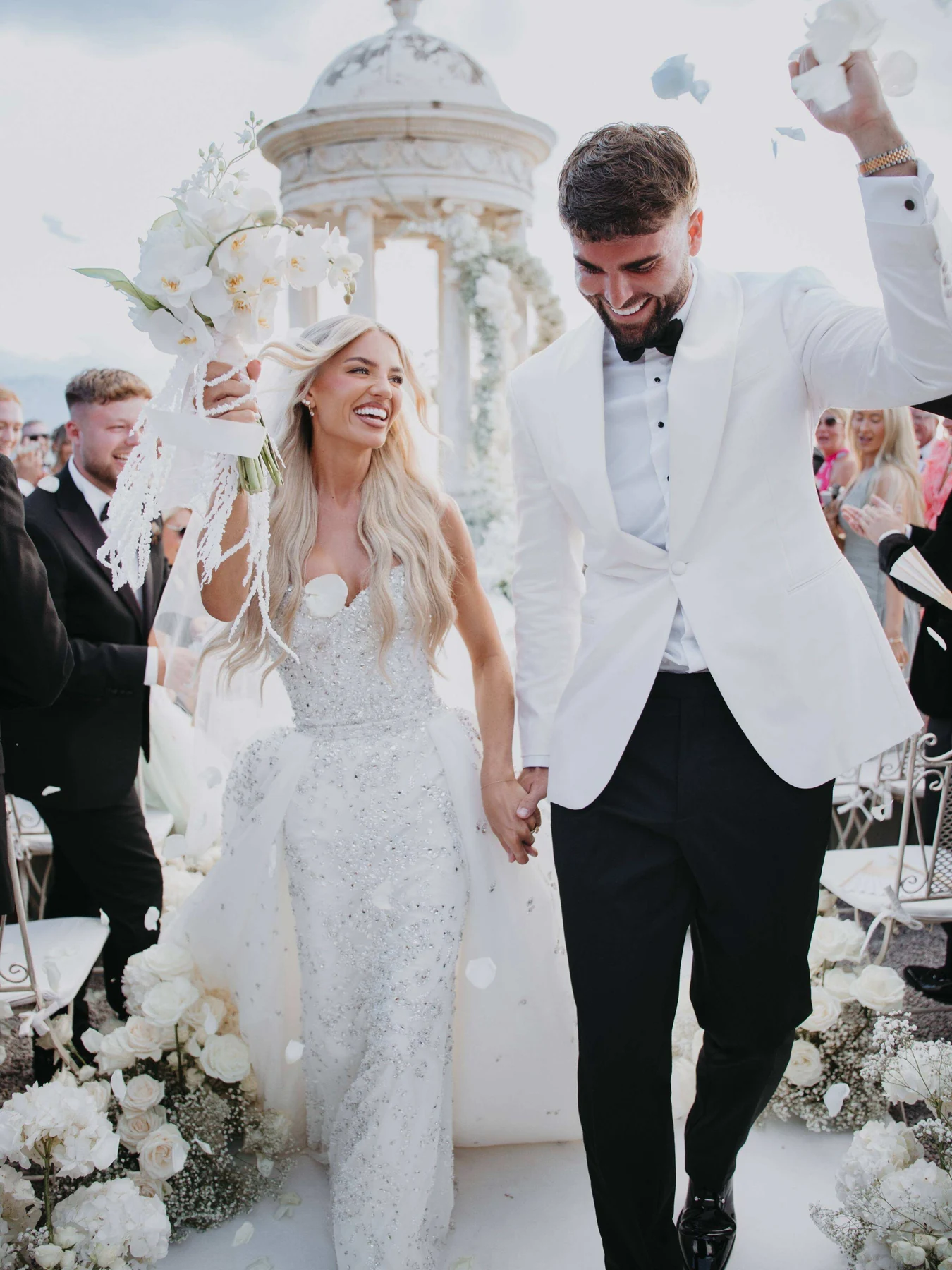
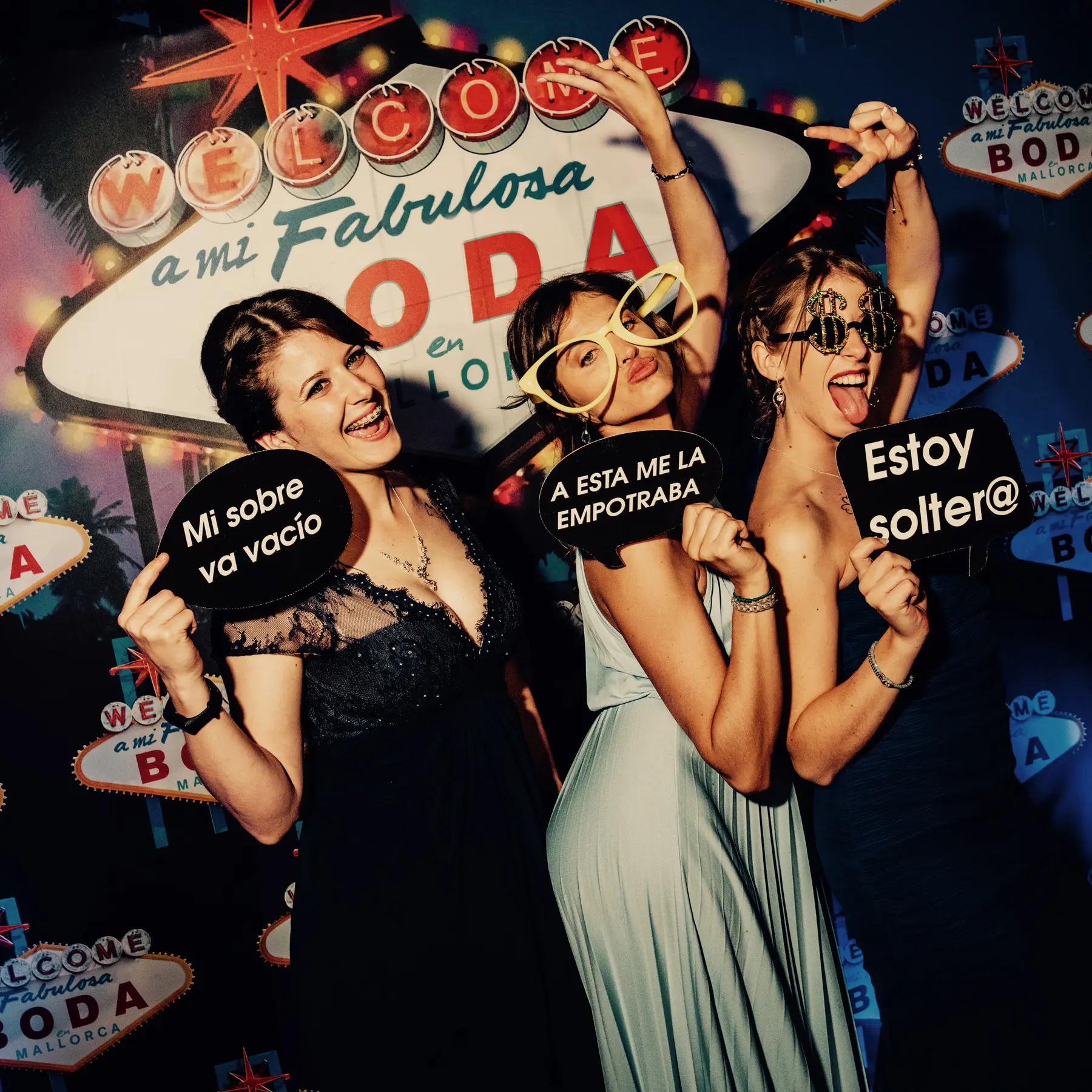
The room adds a visually distinctive corner and gives guests a different scene for photographs. It can suit a venue that needs a focal point or a couple who want something beyond a conventional backdrop. The lighting and decorative details help it belong to the wider celebration while keeping the mirror effect at the centre.
Practical considerations
Allow a suitable space for the structure and comfortable access. Review the surrounding lighting and guest flow so the room has presence without obstructing the event. Enveloping LED lighting is part of the concept, but the final styling depends on the proposal. Its value extends beyond photographs: it also contributes to atmosphere, interaction and the content guests create around the space.